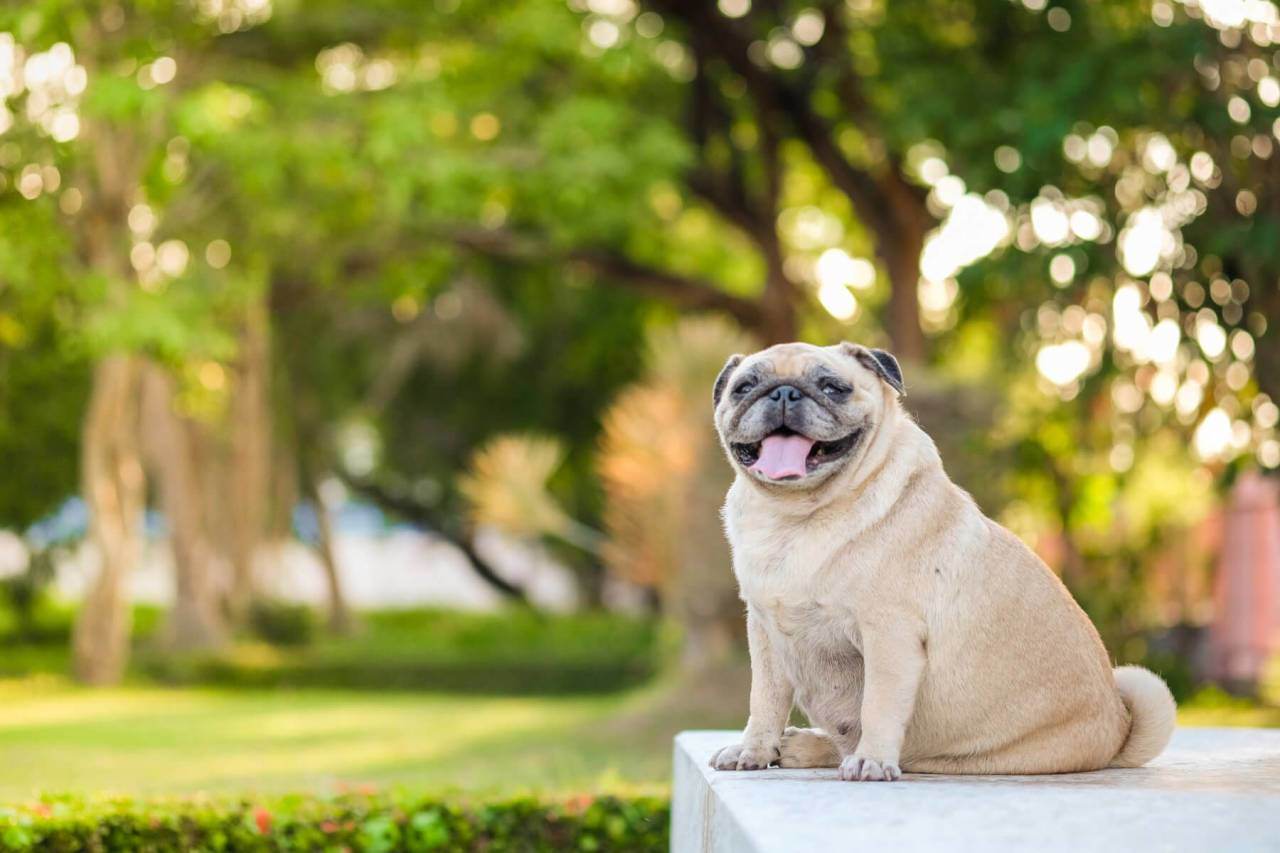
If you find that your dog or cat is already beyond a healthy weight, it's best to visit a veterinarian before you take any steps on your own. After all, you want to ensure that everything is monitored and under professional supervision, as obesity can have serious consequences, such as heart problems, diabetes, or liver disease. The sooner you start following a wellness plan created specifically for your pet, the quicker it can achieve a healthy weight and be happy. An advantage of visiting the veterinarian is that your dog or cat will receive a comprehensive examination. You will therefore know if any negative effects of higher weight are already beginning to manifest. The veterinarian should examine the heart and other organs that may be affected by excess weight. Moreover, several conditions can cause weight gain themselves, such as thyroid disorders like hypothyroidism. However, these can also be caused by overweight, creating a vicious cycle. These conditions can only be ruled out with an examination by a veterinarian.
For clarity, from this point on, the advice will primarily pertain to dog weight loss, as you can influence more factors with them; we will mention cats later. You should work with the veterinarian to create a wellness plan for your pet. Generally, it will follow a similar principle as it would for a person wanting to lose weight. It will be necessary to reduce caloric (energy) intake and increase physical activity. Depending on your dog's weight (or based on the BCS index), the veterinarian can recommend what type of exercise is advisable to ensure safety, and what food is suitable.
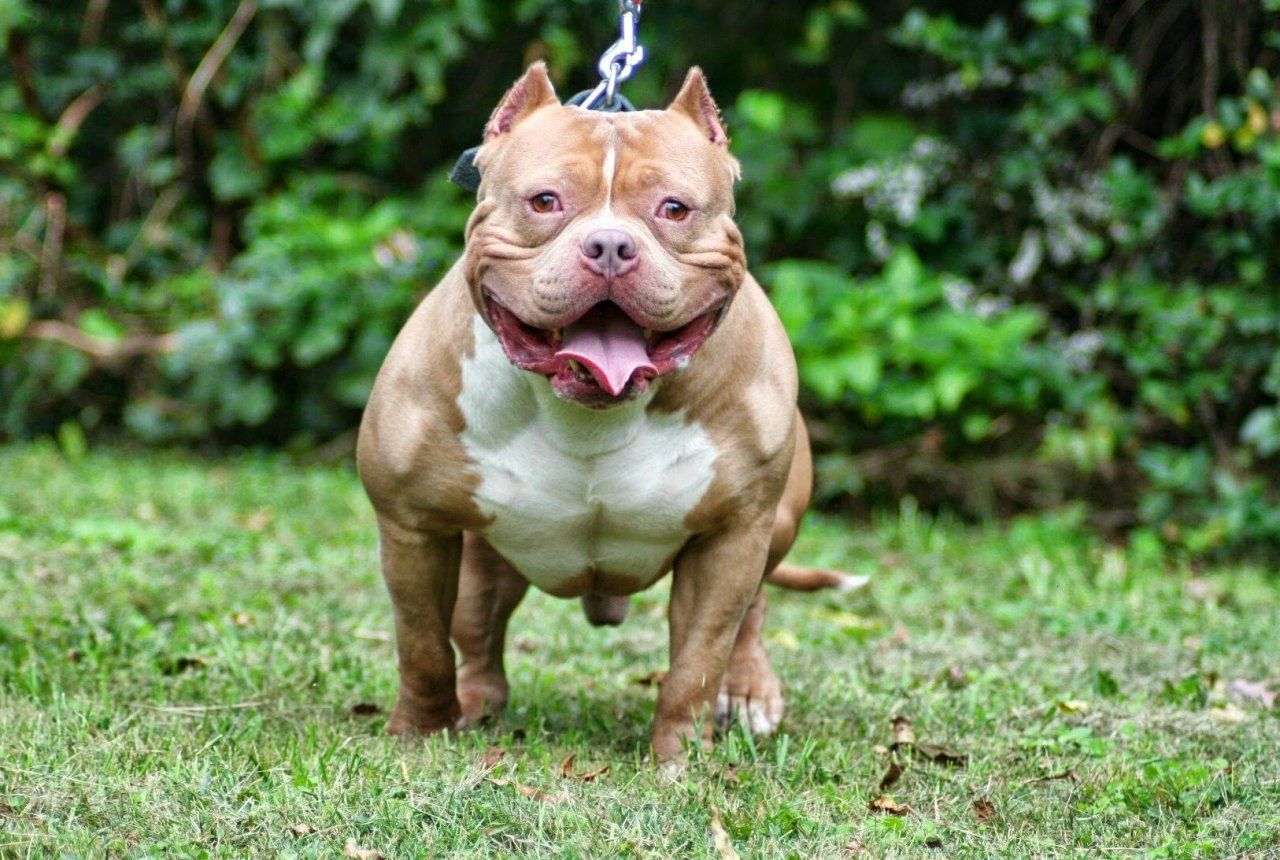
You can read about the BCS index and how to recognize overweight in the previous article How to Recognize Overweight and Obesity in Dogs and Cats
When we set aside cases of other specific health issues, a dog crosses the healthy weight boundary when it consistently consumes more calories than it can burn on a daily basis. As we mentioned, the goal of any weight loss plan is to reduce the pet's caloric intake. However, this does not mean starving them. On the contrary, it will be necessary to provide plenty of tasty, high-quality food designed for weight reduction. It is absolutely essential that you do not feed your dog anything else. If this is your case and you give your pet leftovers from the table or feed them during your dinner because they look sad, that must come to an end for the good of all involved. Of course, you can afford to give them a healthy treat occasionally. But everything in moderation and with the understanding that even treats have some caloric value and should therefore correspondingly reduce the daily food allowance.


