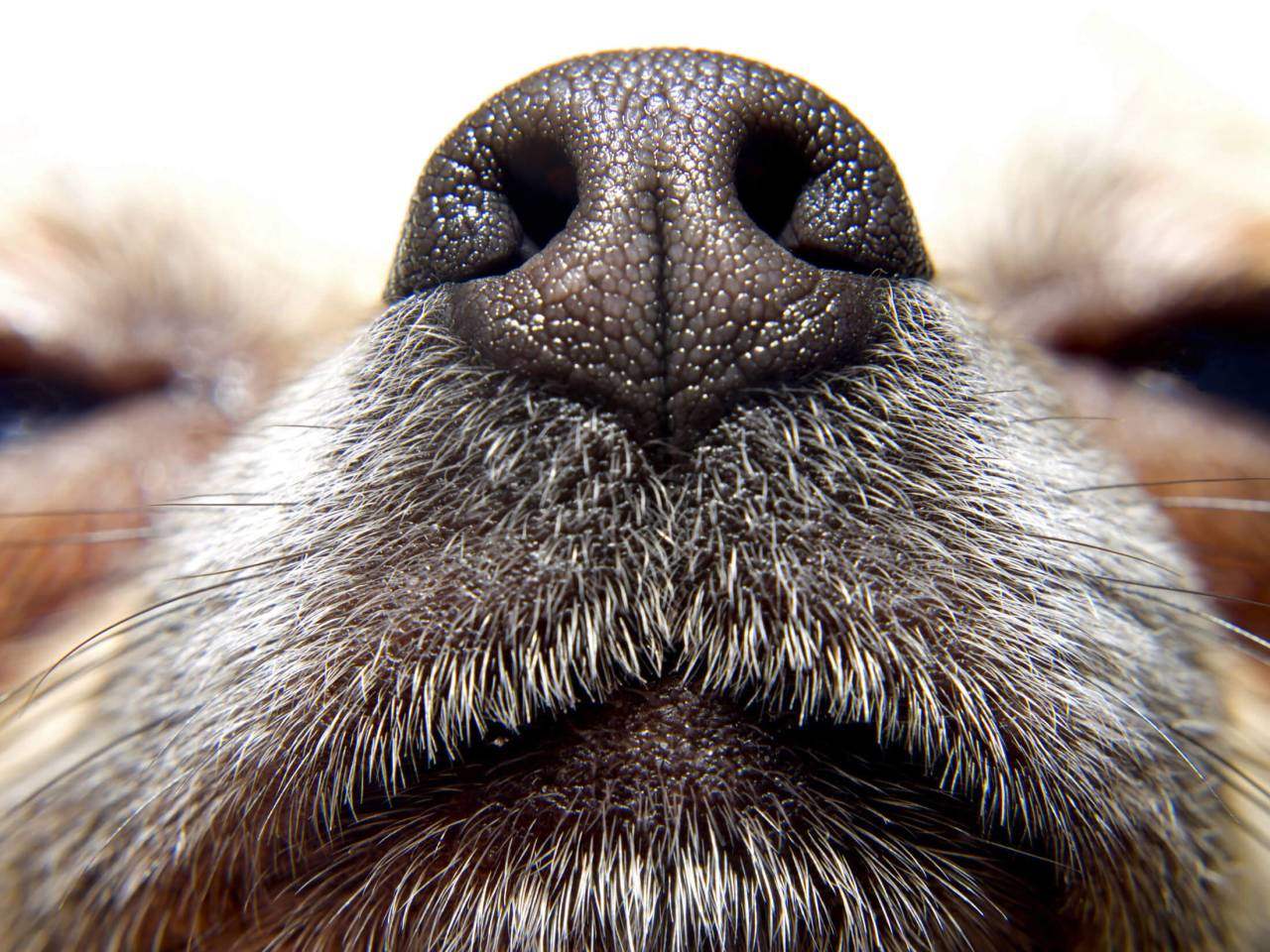
Although dogs evolved from carnivorous wolves, they can easily digest carbohydrates (potatoes, rice, grains, etc.) and plant-based foods. This is due to the history of thousands of generations of wild, roaming dogs that survived on scraps from humans scavenged from garbage. These scraps were very low in protein and contained large amounts of carbohydrates. Today, dogs are unequivocally omnivores; however, their preference for meat-based meals is obvious. This craving for meat, however, may not be purely instinctual, as Linda P. Case claims on her blog The Science Dog. There is scientific evidence to support this.
Dogs can digest carbohydrates due to their biological differences from their wolf ancestors. Specifically, dogs have more copies of the AMY2B gene, which encodes pancreatic amylase, an enzyme that breaks down carbohydrates into simpler sugar molecules. Nevertheless, dogs still consistently prefer meals with high meat content, even when such food only smells like meat, over kibble with high meat and protein content. Case examined several studies concerning wild dogs in India (where they live in large numbers and have a long history) and their natural dietary selection. These dogs survived solely by scavenging and occasionally hunting small animals.
Research generally confirms the conjecture and experiences that dogs choose foods that smell like meat and prefer them over options that are actually more valuable and contain more protein and meat. In one of the studies published in the journal Ethology, Ecology and Evolution, scientists conducted three experiments. They offered thirty roaming dogs these choices:
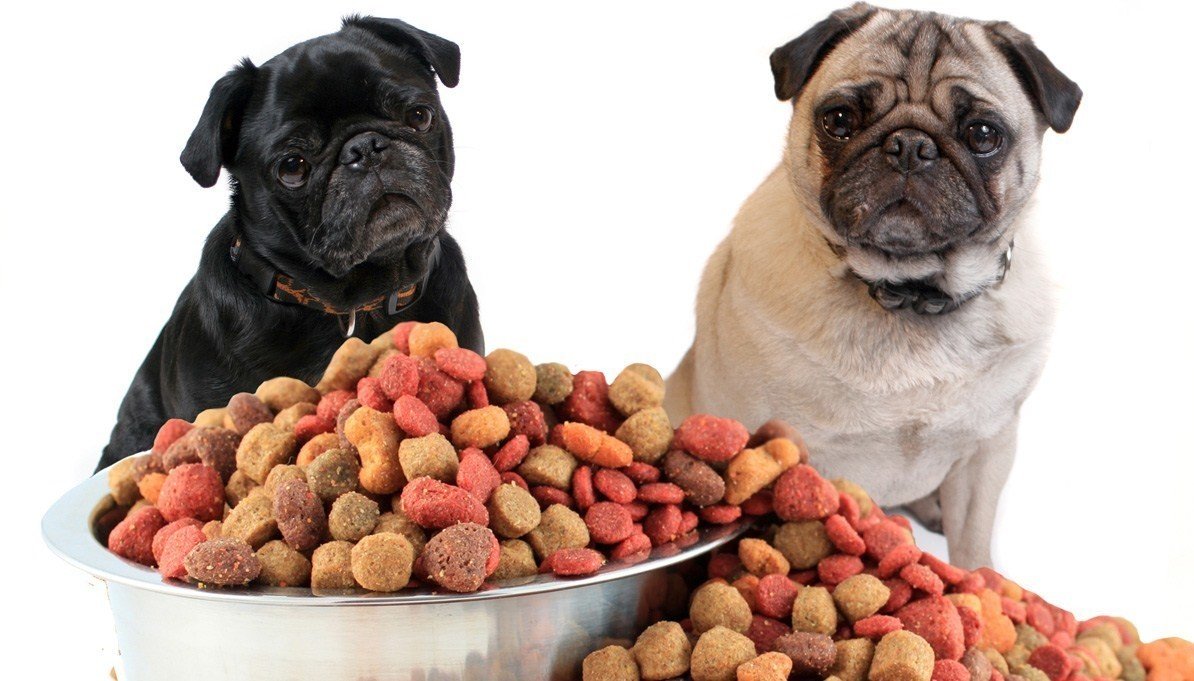
In the first two trials of the study, it is somewhat predictable how the dogs chose. In the first, they preferred bread soaked in broth, and in the second, cooked chicken, followed by bread soaked in meat juice. However, the third experiment brought a surprise, says Case. Although the dogs had the option of high-quality protein-rich kibble, they preferred bread soaked in variously concentrated broth. Clearly, in the decision-making process, the scent of meat broth played a more important role than the high nutritional content in the less "fragrant," but protein-packed kibble.
Interestingly, this preference for meat (or more precisely its aroma) is likely learned in dogs rather than innate. In another study published in the Journal of Ethology, the decision-making of puppy roaming dogs concerning diet was examined. And in these puppies, a similar preference for meat did not manifest at all. Puppies did not really make any significant distinctions and ate all offered alternatives equally. This experiment thus disproved the fact that the desire for meat is innate in dogs. It is likely that young pets acquire it through observing their mothers and other adult individuals, as well as through their own experiences.
In adult dogs, there is simply a general rule: "If it smells like meat, eat it." It does not matter whether it is actually meat or whether the food is nutritious at all. Conversely, if food does not smell sufficiently, the dog will not choose it even if it contains a lot of meat. This, however, is not particularly surprising, as this is how nature actually works – a strong smell of meat naturally indicates a high protein and meat content. And dogs, as demonstrated, trust their sense of smell the most. They cannot otherwise gauge how nutritious food is and how much meat it actually contains. Only in laboratory conditions, where even less fragrant kibble can contain a lot of protein, can the situation, as we've seen, become a bit tangled.
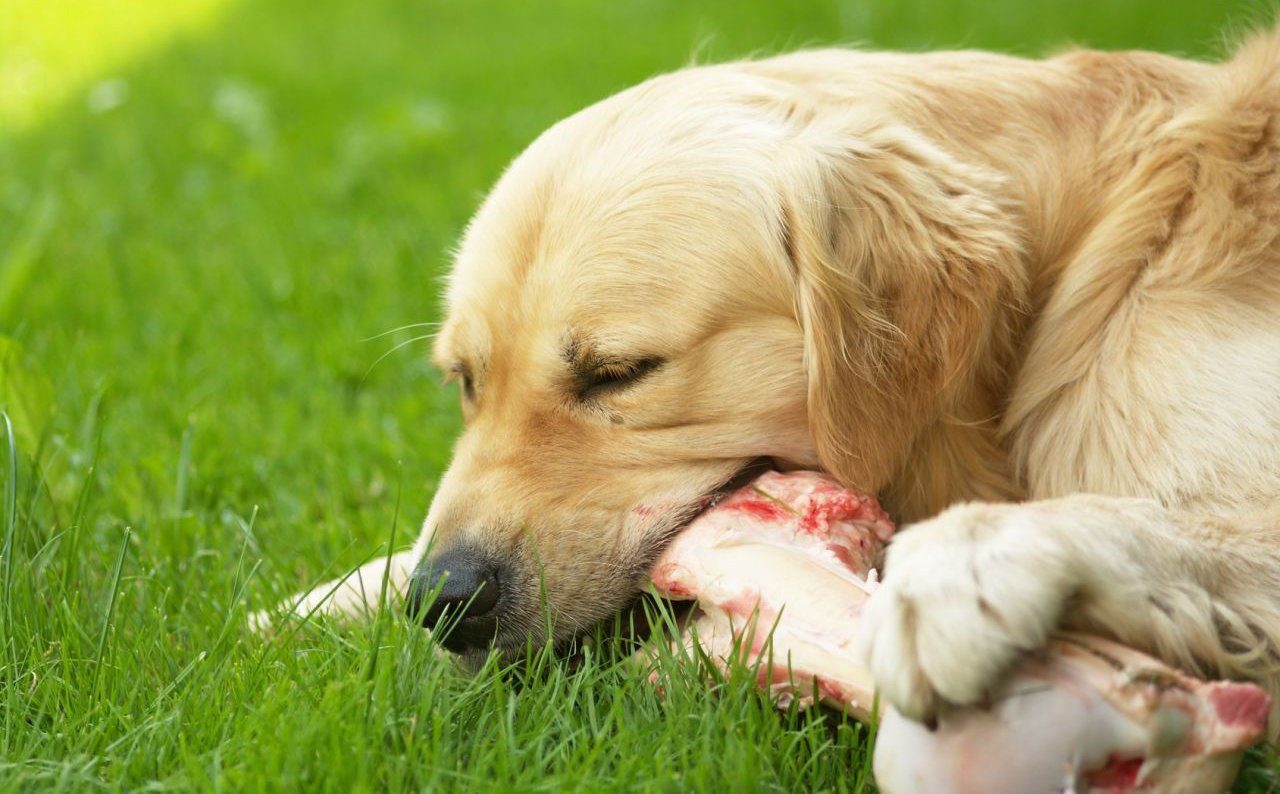
Puppies, however, learn this preference from others and mainly through their own experience – they do not have an innate craving for meat. And what does this mean for us? That how a dog will choose its diet in the future can be strongly influenced during the time it is a puppy and when it is just learning its food preferences. The food we provide to our pet and probably also what it sees in other dogs around it can significantly influence its eating habits and preferences in adulthood.
You can read more articles on our blog!


